

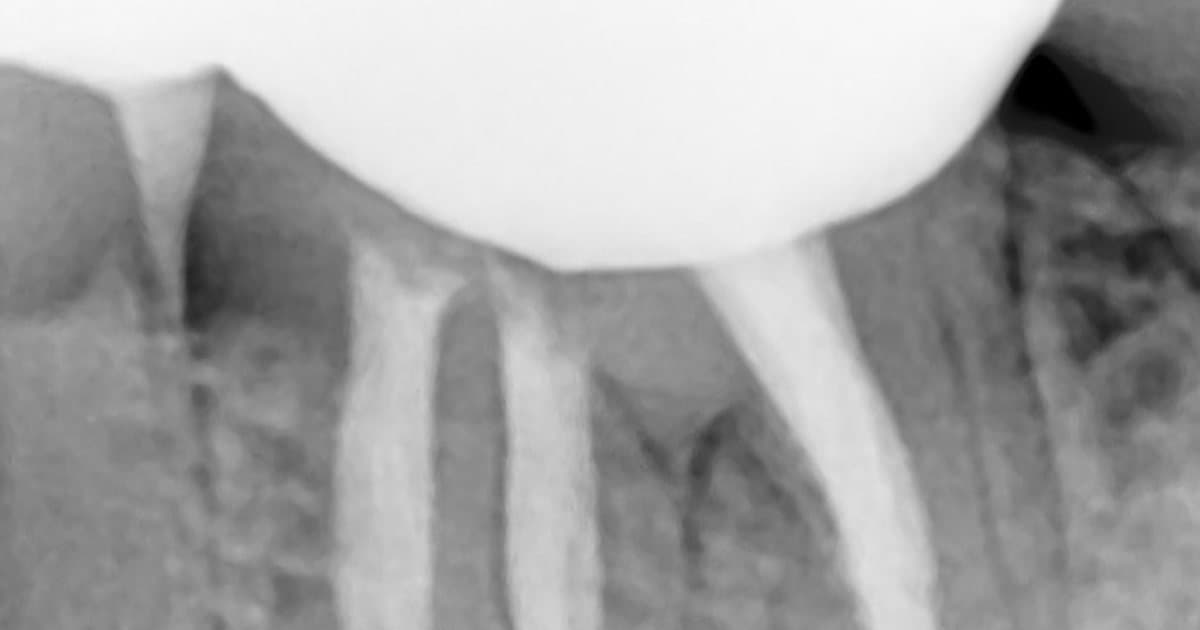
What Root Canal Therapy Can Do for You: Beyond Extraction
When faced with a severely infected or damaged tooth, extraction may seem like the only solution. However, there is a transformative alternative that can save your natural tooth and restore your smile – root canal therapy. Best Dental Clinic in Surat The Dentofacial Hub is the best Dental Clinic in Surat. In this blog, we will explore the incredible benefits and transformative power of root canal therapy. Let's delve into this dental procedure that goes beyond extraction to preserve your oral health and enhance your quality of life.
Understanding Root Canal Therapy:
Root canal therapy, also known as endodontic treatment, focuses on removing infection, saving the natural tooth, and relieving pain. Extracting the infected or inflamed pulp from the tooth's root canal system, cleaning and disinfecting the area, and sealing it to prevent further infection are the steps involved in this procedure.
Preserving Natural Teeth:
One of the most significant advantages of root canal therapy is its ability to preserve your natural teeth. Unlike extraction, which removes the entire tooth, root canal treatment targets the source of infection while keeping the tooth intact. By saving your natural tooth, you maintain proper chewing ability, prevent shifting of adjacent teeth, and avoid the need for more extensive restorative procedures like dental implants or bridges.
Relief from Pain and Discomfort:
Infected or inflamed dental pulp can cause severe pain and discomfort. Root canal therapy provides relief by eliminating the infection and alleviating associated symptoms. Dental Surgeons in Surat The procedure is performed under local anaesthesia, ensuring a comfortable experience during the treatment. Once the infected pulp is removed, patients often report a significant reduction in pain and a return to normal oral function.
Enhanced Aesthetics and Confidence:
A missing tooth can affect your smile's aesthetics and self-confidence. By preserving your natural tooth through root canal therapy, you maintain a complete and natural-looking smile. Unlike dental prosthetics, such as dentures or bridges, root canal therapy allows you to enjoy the appearance, feel, and functionality of your original tooth, restoring your confidence and preserving your natural facial structure.
Efficient and Cost-Effective:
Root canal therapy is an efficient and cost-effective dental procedure compared to tooth extraction followed by tooth replacement options. While extraction may seem like a more straightforward solution, it often leads to additional procedures to restore the missing tooth. Root canal therapy eliminates the need for these further treatments, making it a more efficient and budget-friendly choice in the long run.
Steps in Root Canal Therapy:
Examination and Diagnosis: Your dentist will examine your tooth, assess the extent of infection or damage, and determine if root canal therapy is the appropriate treatment.
Cleaning and Disinfection: The dentist will create a small access hole in the tooth and remove the infected or inflamed pulp. To ensure that no bacteria are left in the root canal system, it is meticulously cleaned and disinfected.
Filling and Sealing: After cleaning, the dentist fills the root canal with a biocompatible material called gutta-percha. The tooth is then sealed with a temporary filling or a dental crown, depending on the level of damage.
Restoration: In some cases, a dental crown may be recommended to provide additional support and protect the treated tooth from further damage. The crown restores the tooth's natural appearance and functionality.
Post-Treatment Care:
Following root canal therapy, proper oral hygiene practices are crucial for maintaining the treated tooth's health. Brush and floss regularly, attend routine dental check-ups, and follow any specific instructions provided by your dentist. Root canal treated teeth can last a lifetime with good home care.
Root Canal Treatment in Surat offers a transformative solution that goes beyond extraction by preserving natural teeth, relieving pain, and restoring smiles. This procedure not only saves your natural tooth but also provides functional, aesthetic, and cost-effective benefits. If you're facing a tooth infection or damage, consult with your dentist to explore the transformative power of root canal therapy. Embrace the opportunity to preserve your oral health and enjoy a beautiful, healthy smile for years to come.
Related at Ocean 32: after a root canal, a back tooth may be restored with an endocrown; see also conservative dentistry.
Frequently asked questions
Is root canal treatment better than tooth extraction?
When the tooth can be saved, a root canal is usually the better first choice. It keeps your natural tooth, bite and bone, avoids gaps and shifting of neighbouring teeth, and avoids the extra cost of an implant or bridge. Extraction is advised only when the tooth is cracked through the root or too broken to restore.
How long does a root canal treated tooth last?
A well-done root canal with a proper crown or onlay can last for many years, often for life, with good brushing, flossing and regular check-ups. The main risks are new decay, a leaking filling or crown, and fracture of an unprotected back tooth, which is why a crown or onlay is usually advised.
How much does a root canal cost in Surat?
At Ocean 32, a microscopic root canal is typically ₹7,000–₹14,000 per tooth and a single-sitting root canal ₹8,000–₹14,000 per tooth. Re-treatment of an old failed root canal is ₹8,000–₹16,000 per tooth. A crown is extra. Your final fee is confirmed in a written estimate after examination and X-ray.
What happens during a root canal?
The tooth is numbed with local anaesthesia and isolated with a rubber dam. A small opening is made, the infected or inflamed pulp is removed, and the canals are cleaned, shaped and disinfected under the dental microscope. The canals are then filled with gutta-percha and sealed, and the tooth is restored with a filling, onlay or crown.
What should I eat after a root canal?
Eat soft food on the other side until the numbness wears off and until the final crown or onlay is fitted, because the treated tooth can break under hard biting. Avoid very hard or sticky foods, such as nuts and toffee, on that side. Mild tenderness for a few days is common; worsening pain or swelling should be checked.