

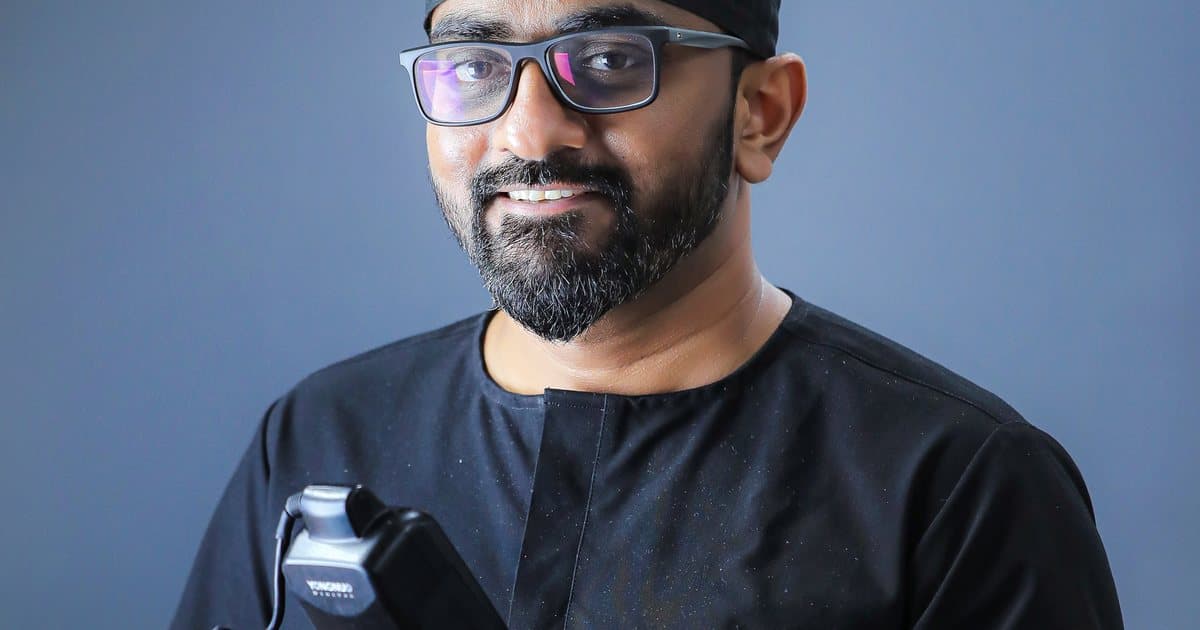
Why MDS Specialist Matters in Dentistry
Most patients don’t understand one critical difference when choosing a dentist:
BDS vs MDS.
They assume all dentists are the same. That assumption is wrong—and it’s exactly why many treatments fail, get repeated, or lead to long-term problems.
If you care about precision, safety, and long-lasting results, understanding this difference is not optional.
What Is the Difference Between BDS and MDS?
BDS (Bachelor of Dental Surgery)
- Basic dental degree
- General knowledge of all treatments
- Limited exposure to complex procedures
- Suitable for routine checkups and simple cases
MDS (Master of Dental Surgery)
- 3 additional years of specialization
- Focus on one branch (Endodontics, Prosthodontics, Orthodontics, etc.)
- Advanced clinical training
- Expertise in complex and high-risk cases
An MDS is not just “more qualified”—they are specialized.
Why This Difference Actually Matters
1. Accuracy of Treatment
An MDS specialist is trained to handle:
- Complex root canals
- Implant placement
- Full mouth rehabilitation
- Smile design
These procedures require precision. Mistakes are not easily reversible.
A general dentist may attempt these—but without specialization, the margin for error increases.
2. Higher Success Rate
Specialists follow:
- Advanced protocols
- Evidence-based techniques
- Precision-driven procedures
This leads to:
- Better outcomes
- Fewer complications
- Lower chances of failure
For example, a root canal done by a specialist has a significantly higher success rate than a routine approach.
3. Handling Complications
Real-world dentistry is not textbook-perfect.
Cases may involve:
- Curved or calcified canals
- Bone loss
- Failed previous treatments
- Anatomical variations
An MDS specialist is trained to manage these situations—not just ideal cases.
4. Use of Advanced Technology
Specialists are more likely to use:
- Dental operating microscopes
- Digital scanning systems
- CAD-CAM restorations
- Guided implant surgery
Technology alone doesn’t guarantee success—but technology in skilled hands does.
5. Long-Term Results vs Temporary Fixes
Here’s the hard truth:
Cheap or poorly executed dental work often leads to:
- Repeat root canals
- Broken crowns
- Implant failure
- Gum complications
What looks “affordable” initially becomes expensive later.
MDS-driven treatment focuses on:
- Longevity
- Stability
- Biological compatibility
Common Mistake Patients Make
Most patients choose based on:
- Price
- Location
- Quick availability
They ignore:
- Qualification
- Experience
- Specialization
That’s exactly why many patients end up needing re-treatment.
When You MUST Choose an MDS Specialist
You should not compromise if you need:
- Root canal treatment
- Dental implants
- Crowns and bridges
- Smile makeover
- Orthodontic correction
- Full mouth rehabilitation
These are not basic procedures. They require specialist-level precision.
Can a General Dentist Replace a Specialist?
For simple procedures—yes.
For complex, long-term treatments—no.
This is the same as:
- Visiting a general doctor vs a cardiologist
- Or a GP vs a surgeon
You wouldn’t take risks with your heart.
Don’t take risks with your teeth either.
Final Verdict
If you want:
- Long-lasting results
- Minimal complications
- Precision-based treatment
- Fewer repeat procedures
Then choosing an MDS specialist is not optional—it’s necessary.
Dentistry is not just about fixing teeth.
It’s about doing it right the first time.
Related at Ocean 32: read about our MDS specialist, Dr. Kenil A. Lathia, MDS (Conservative Dentistry & Endodontics).
Frequently asked questions
What is the difference between BDS and MDS?
BDS (Bachelor of Dental Surgery) is the basic dental degree that covers general dentistry. MDS (Master of Dental Surgery) adds three years of specialist training in one branch, such as endodontics, prosthodontics, orthodontics, periodontics, pedodontics or oral surgery, with advanced clinical training for complex cases.
When should I see an MDS specialist instead of a general dentist?
Consider an MDS specialist for treatment that is complex or hard to reverse, such as root canals and re-treatment, implants, crowns and bridges, smile makeovers, braces or aligners and full mouth rehabilitation. Routine check-ups and simple cases can be handled by a general dentist, but complex cases benefit from specialist training.
Are all treatments at Ocean 32 done by MDS specialists?
Yes. Every treatment at Ocean 32 is done by an MDS specialist rather than a general dentist. Dr. Kenil A. Lathia (MDS, Conservative Dentistry & Endodontics) does root canals, fillings, inlays, onlays, crowns, veneers and smile design, while visiting MDS specialists handle oral surgery, gums, children, braces and aligners, implants and dentures.
How can I check if a dentist is a real specialist?
Ask which MDS branch they hold and check their registration with the state dental council. Terms like implantologist or root canal specialist are sometimes used without an MDS degree. Dr. Kenil A. Lathia holds an MDS in Conservative Dentistry & Endodontics (2016) and is registered with the Gujarat State Dental Council, Reg. A-7754.
What is an endodontist?
An endodontist is an MDS specialist in Conservative Dentistry and Endodontics, trained in saving teeth through root canal treatment, re-treatment and conservative restorations such as fillings, inlays, onlays and crowns. In Surat, Dr. Kenil A. Lathia is an endodontist who treats under a dental microscope, which helps with hidden canals, cracks and broken instruments.