

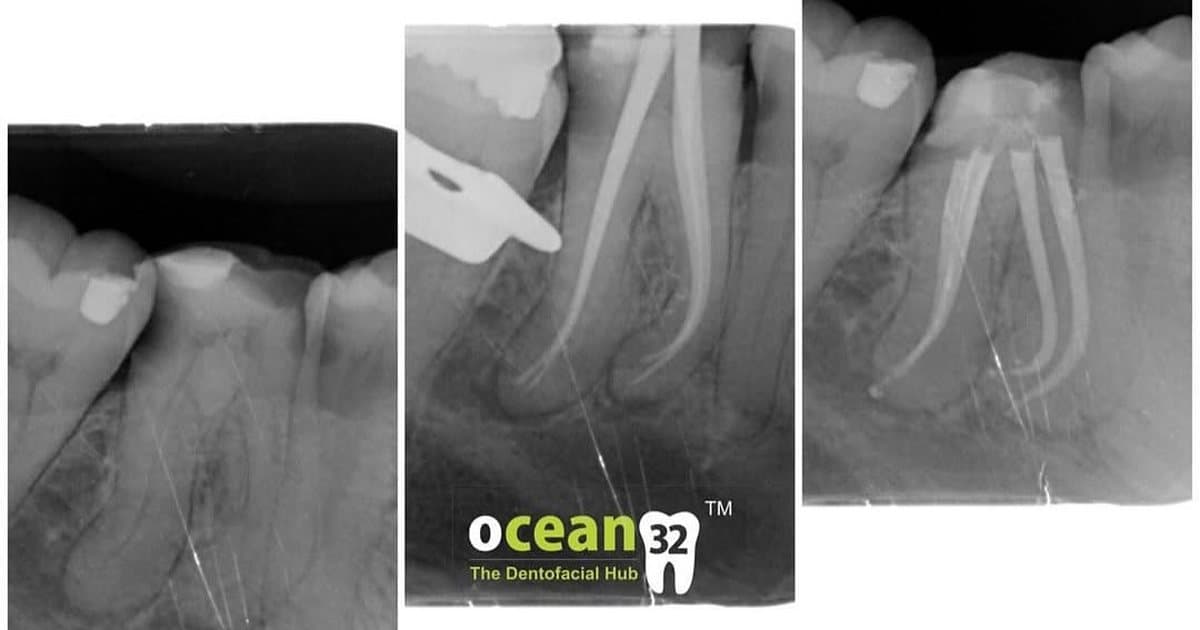
Understanding Root Canal Therapy: Resolving Myths
Root canal therapy, often referred to simply as a "root canal," is a dental procedure that is widely misunderstood and often associated with myths and misconceptions. We will debunk common myths surrounding root canal therapy and provide a comprehensive understanding of the procedure.
Myth 1: Root Canals Are Extremely Painful
One of the most prevalent myths about root canal therapy is that it is excruciatingly painful. Root canal procedures from the best Dental Clinic in Surat are now considered to be among the least painful aspects of modern dentistry thanks to advancements in dental technology and anesthetics. The purpose of a root canal is to alleviate pain, not cause it. The pain that people often associate with root canals is actually the pain experienced before the procedure due to an infected or inflamed tooth pulp. During the procedure, your dentist will numb the area around the affected tooth, ensuring that you won't feel any pain.
Myth 2: Root Canals Cause Illnesses
There is a misconception that root canals can lead to various illnesses, including heart disease and arthritis. This myth has been debunked by extensive research, and there is no scientific evidence to support such claims. Root canal therapy is a safe and effective way to treat dental infections and save a compromised tooth.
Dental infections can spread to other parts of the body if left untreated, potentially causing more significant health issues
Understanding the Root Canal Procedure
A root canal is a dental procedure performed to treat a tooth that has a damaged or infected pulp, the innermost part of the tooth. Here's a step-by-step overview of the root canal procedure:
Diagnosis: Your dentist will examine the affected tooth and may take X-rays to assess the extent of the infection. If a root canal is deemed necessary, your dentist will explain the procedure and answer any questions you may have.
Anesthesia: Before beginning the procedure, your dentist will administer local anesthesia to numb the affected tooth and the surrounding area. You may also receive a rubber dam to keep the tooth dry during the procedure.
Removal of Infected Pulp: Your dentist will create an access point in the tooth, allowing them to remove the infected or damaged pulp. The tooth's interior will be cleaned, disinfected, and shaped to prepare for filling.
Filling: Once the tooth's interior is ready, it will be filled with a biocompatible material called gutta-percha. This material seals the tooth's canal to prevent recontamination.
Restoration: In most cases, a tooth that has undergone a root canal will require a crown to provide strength and protection. Your dentist will take impressions and place a temporary crown until the permanent one is ready. Dental Clinics like Best Dental Clinic in Surat The Dentofacial Hub provide the best Dental Care Treatments in Surat.
Conclusion
Root canal therapy is a highly effective and safe dental procedure that can save a tooth from extraction and alleviate pain caused by dental infections. By debunking myths and understanding the actual procedure, patients can approach root canals with confidence, knowing that the treatment is designed to improve their oral health and overall well-being. If you suspect you may need a root canal, consult with your dentist to determine the best course of action for your dental health.
Frequently asked questions
Is a root canal painful?
A root canal is done with the tooth fully numbed by local anaesthesia, so most patients feel pressure rather than pain. The severe pain people associate with root canals usually comes from the infected tooth before treatment. Mild tenderness on biting for a few days afterwards is common and usually settles with simple painkillers.
Do root canals cause illness elsewhere in the body?
No. The idea that root canal treatment causes heart disease, arthritis or other illnesses came from flawed early-20th-century research and is not supported by modern evidence. Leaving an infected tooth untreated is the real risk, because the infection can spread. Root canal treatment removes the infection and keeps your natural tooth.
Do I need a crown after a root canal?
Usually yes for back teeth, because root-treated molars and premolars are more likely to crack under chewing forces. Depending on how much tooth remains, a crown, onlay or endocrown may be advised, while front teeth with little damage may need only a filling. A CEREC crown after root canal is typically ₹12,000–₹16,000 per tooth.
How many visits does a root canal take?
Many root canals are completed in one sitting, while teeth with severe infection, swelling, complex canals or a failed earlier treatment may need two or more visits. If a CEREC crown is planned, it can often be made in the clinic the same day once the root canal is complete. Your plan is explained beforehand.
Who is a root canal specialist in Surat?
A root canal specialist, or endodontist, holds an MDS in Conservative Dentistry & Endodontics. In Adajan, root canals are done by Dr. Kenil A. Lathia, MDS (Conservative Dentistry & Endodontics), Gujarat State Dental Council Reg. A-7754, under a Labomed surgical microscope. A microscopic root canal is typically ₹7,000–₹14,000 per tooth.