

Single Visit Crown & RCT – Digital Dentistry Explained
Modern dentistry has changed dramatically. What once required multiple appointments, temporary crowns, repeated injections, and weeks of waiting can now be completed in just one visit.
With advanced digital dentistry, patients can now undergo Root Canal Treatment (RCT) and receive a permanent ceramic crown on the same day.
This blog explains how single-visit RCT and crown treatment works, who it is suitable for, and why digital dentistry is becoming the new gold standard.
What Is Single Visit Root Canal Treatment?
Root canal treatment removes infected pulp from inside a tooth to relieve pain and prevent further damage. Traditionally, this process required:
- 2–3 appointments
- Temporary fillings
- Waiting for lab-made crowns
Today, with microscope-assisted precision and advanced rotary systems, root canal treatment can be completed in a single sitting safely and comfortably.
Benefits of Single Visit RCT:
- Immediate pain relief
- Fewer appointments
- Reduced risk of contamination between visits
- Faster recovery
- Suitable for busy professionals and NRIs
Why a Crown Is Necessary After RCT
After a root canal, the tooth becomes brittle and needs protection. Without a crown:
- The tooth can fracture
- Leakage can occur
- Re-infection risk increases
A crown restores full strength, chewing ability, and long-term protection.
What Is a Single Visit Digital Crown?
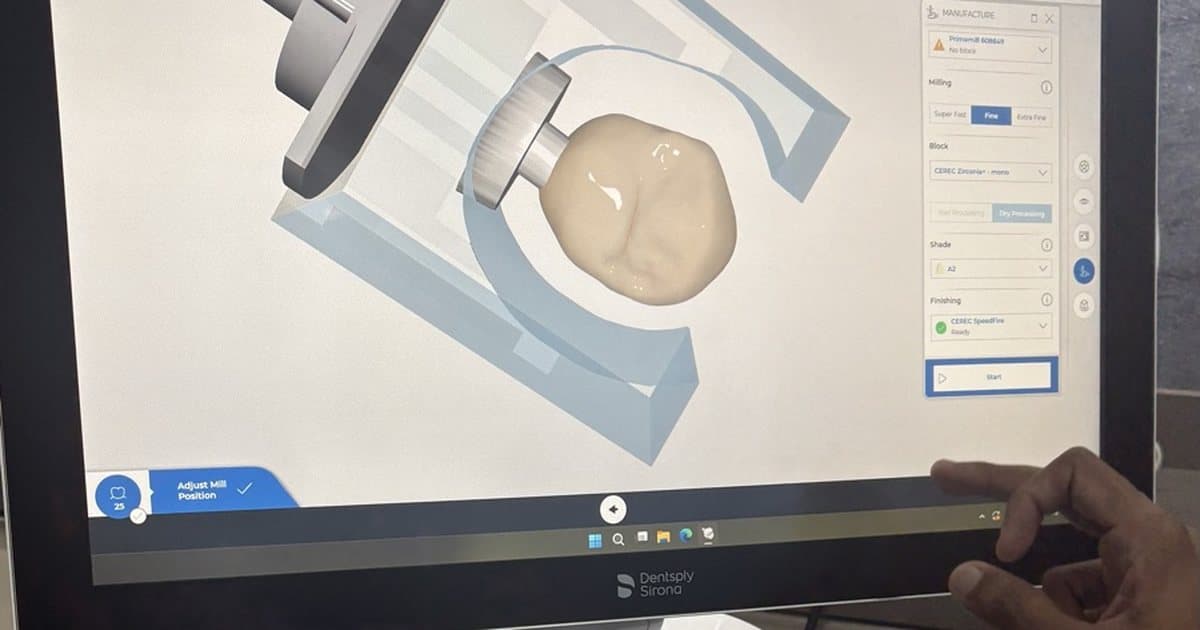
With CAD-CAM digital dentistry, the crown is designed and fabricated in the clinic itself.
The process includes:
- Digital scanning (no messy impressions)
- 3D crown design using software
- In-house milling from ceramic or zirconia blocks
- Immediate bonding of the permanent crown
Total time: approximately 60–90 minutes.
No temporary crowns. No lab delays.
How Digital Dentistry Improves Accuracy
Digital workflows eliminate guesswork.
Advanced systems allow:
- Micron-level precision fit
- Perfect bite adjustment
- Natural shade matching
- Strong, durable ceramic restorations
When combined with dental microscopes, accuracy and success rates significantly increase.
Single Visit RCT & Crown – Step-by-Step
Step 1: Diagnosis
Digital X-ray and clinical examination confirm infection.
Step 2: Microscope-Guided RCT
The infected pulp is removed, canals are cleaned and sealed precisely.
Step 3: Digital Scan
The tooth is scanned using an intraoral scanner.
Step 4: CAD Design
The crown is digitally designed to match your natural tooth shape.
Step 5: Milling & Bonding
The permanent ceramic crown is milled and bonded the same day.
You walk out with a fully restored tooth in just one appointment.
Who Is This Treatment Ideal For?
Single visit RCT and crown is perfect for:
- Patients with acute tooth pain
- Busy professionals
- Brides and grooms before events
- NRIs visiting for short periods
- Anyone who prefers fewer dental visits
Longevity & Success Rate
When performed using:
- Dental microscope
- Rubber dam isolation
- Rotary endodontics
- Digital CAD-CAM crown fabrication
Success rates are extremely high, and crowns can last 15–20+ years with proper care.
Is Single Visit Treatment Safe?
Yes — when done under proper protocols and specialist supervision.
Not every case qualifies for single visit RCT. Severe swelling or certain infections may require staged treatment.
A proper evaluation determines suitability.
Final Thoughts
Digital dentistry has redefined restorative treatment.
Single Visit RCT with a Same-Day Crown offers:
- Speed
- Precision
- Comfort
- Long-term protection
Instead of multiple appointments and temporary solutions, modern dentistry now provides immediate, permanent restoration.
If you value time, accuracy, and durability — digital single-visit dentistry is the smarter choice.
Related at Ocean 32: a one-piece ceramic option for root-treated back teeth: endocrowns in Surat.
Frequently asked questions
Can a root canal and crown be done in one visit?
Yes, in suitable cases. The root canal is completed under a dental microscope, then the tooth is scanned and a ceramic crown is designed, milled and bonded the same day with CEREC, so no temporary crown is needed. Teeth with severe swelling or certain infections may need the treatment staged over more visits.
How long does a single-visit root canal and crown take?
Plan for one long appointment. After the root canal is finished, the crown stage, from digital scan to milling and bonding, usually takes about 60–90 minutes. The root canal time depends on the number and shape of the canals, and your dentist will tell you the expected duration after examining the tooth and X-ray.
How much does a single-visit root canal and crown cost in Surat?
At Ocean 32, a single-sitting root canal is typically ₹8,000–₹14,000 per tooth, and a CEREC crown after root canal is typically ₹12,000–₹16,000 per tooth. These are typical ranges, not a quote; your final fee is confirmed in a written estimate after examination.
Why do I need a crown after a root canal?
A root-treated back tooth becomes more brittle and can crack under chewing forces. A crown covers and protects it, helps seal out bacteria and restores normal chewing. Front teeth with little damage may sometimes need only a filling, which your dentist decides after examining the tooth.
Who is suitable for a single-visit RCT and crown?
It suits people with a restorable infected tooth who want fewer appointments, such as working professionals, students, brides and grooms, and NRIs visiting for a short time. It may not suit teeth with severe swelling, spreading infection or very complex anatomy. Suitability is decided after a clinical examination and X-ray.