

Microscopic RCT vs Normal RCT: Why Choose a Microendodontist in Surat?
Difference Between Root Canal by Dr. Kenil Lathia (Microendodontist) and a General BDS Dentist
At Ocean 32 The Dentofacial Hub, Adajan, Surat, one of the most common questions patients ask is:
“What is the difference between a root canal done by a Microendodontist and a normal root canal done by a general dentist?”
The difference is not small—it affects the accuracy, comfort, longevity, success rate, and future health of your tooth.
Root canal treatment may look like a simple dental procedure, but the results depend heavily on the technology, magnification, skill, and precision used during the treatment.
This detailed guide explains why Microscopic RCT performed by a Certified Microendodontist is considered the gold standard in dentistry.
1. Magnification: Microscope-Based RCT vs Naked Eye RCT
Microscopic RCT (Performed by Microendodontist at Ocean 32)
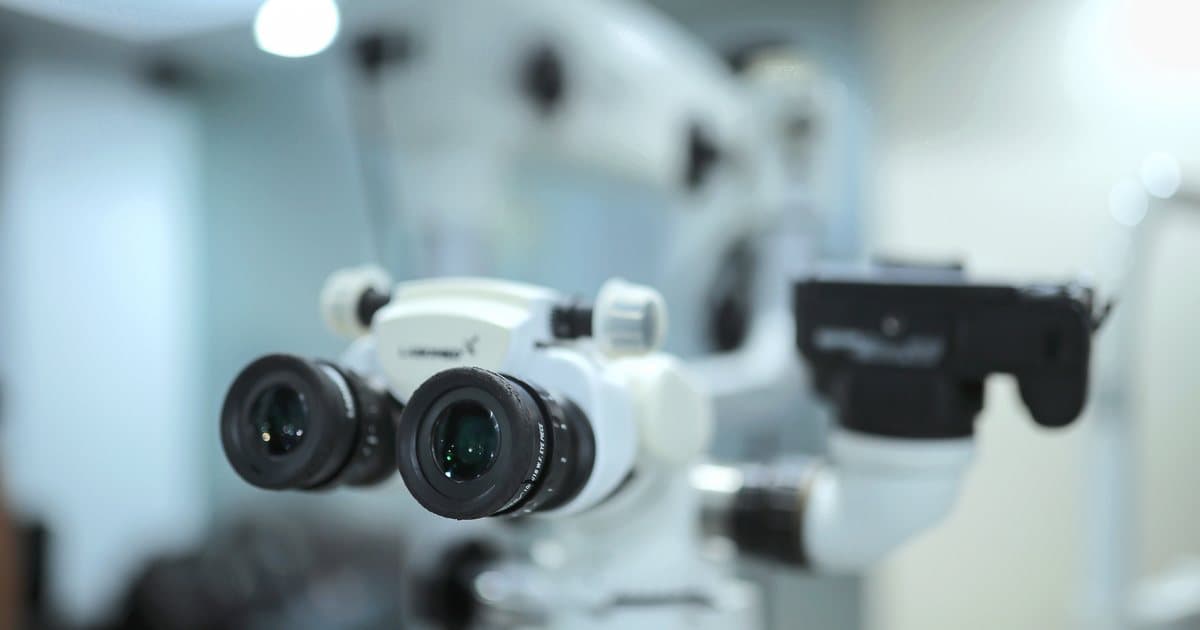
- Uses a Dental Operating Microscope with up to 25× magnification
- Identifies hidden canals, extra canals and micro-cracks
- Allows complete removal of infection
- Ensures perfect cleaning and sealing
- Success rate: 95–98 percent
Normal RCT (General BDS Dentist)
- Performed with naked eye or basic magnifying glasses
- Hidden canals often remain untreated
- Infection residue may remain inside the tooth
- Higher chances of future pain, swelling or failure
- Success rate: 70–80 percent
You can only treat what you can see.
Microscopic RCT provides visibility that is impossible with naked-eye dentistry.
2. Training and Expertise
Microendodontist (MDS Specialist)
- Three additional years of advanced training after BDS
- Specializes only in root canals, re-root canals and complex anatomy
- Uses conservative, painless, microscope-guided techniques
- Expert in treating complicated cases such as calcified canals and broken instruments
General BDS Dentist
- Basic knowledge of RCT from undergraduate training
- Limited exposure to complex endodontic cases
- Performs standard RCT without magnification or advanced tools
3. Technique and Technology Used
At Ocean 32 (Microscopic RCT)
- Full microscope-guided procedure
- Rubber dam isolation for sterile, dry working area
- Digital X-rays for accuracy
- Rotary instruments and ultrasonic activation
- Apex locators for precise canal measurement
- German CAD-CAM crowns for final restoration
- Painless anesthesia and minimally invasive approach
Normal RCT (General Clinics)
- No microscope
- Mostly hand instrumentation
- No rubber dam isolation
- Limited imaging and basic tools
- Crowns often made manually without digital precision
Microscopic techniques ensure higher accuracy and long-term success.
4. Cleaning and Shaping Quality
Microscopic RCT
- Removes nearly all infection
- Detects and cleans unseen canals
- Reduces chances of re-infection
- Ensures long-lasting results
Normal RCT
- Infection may remain in hidden areas
- Higher chances of flare-ups or sensitivity
- Re-RCT may be needed later
5. Lifespan of the Tooth After Treatment
Type of RCTExpected LongevityMicroscopic RCT15–20+ yearsNormal RCT3–7 years
Microscopic precision preserves the tooth longer and prevents future complications.
6. Pain and Comfort During Treatment
Microscopic RCT
- Painless experience
- Minimal post-treatment discomfort
- Faster healing
- Often completed in a single visit
Normal RCT
- More discomfort
- Multiple visits
- Higher post-treatment sensitivity
7. Handling Difficult or Failed Cases
A Microendodontist can treat:
- Failed RCT
- Blocked canals
- Broken instruments
- Bent root anatomy
- Cracked teeth
- Complex multi-rooted cases
General dentists commonly refer such cases to specialists.
8. Quality of the Final Crown
At Ocean 32
- German CAD-CAM ceramic crowns
- Same-day crown preparation and fitting
- Accurate margins with zero leakage
- Long lifespan and natural aesthetics
General Clinics
- Manually fabricated crowns
- Fit issues and micro-leakage
- Higher chances of sensitivity and failure
Final Conclusion
If you want:
- Long-lasting root canal results
- Complete cleaning of all canals
- Zero re-infection
- Minimal pain
- Modern technology
- Highest success rates
Then Microscopic RCT by a Certified Microendodontist is the best choice.
This is why patients across Surat—including doctors, corporates, NRIs, and families—trust Dr. Kenil Lathia for precision-based root canal treatment.
Book an Appointment
Ocean 32 The Dentofacial Hub
302, Western Arena, Green City Road, Madhuvan Circle,
Above HDFC Bank, Adajan, Surat
Phone: +91 74900 23232
Frequently asked questions
What is a microendodontist?
A microendodontist is an endodontist, a dentist with an MDS in Conservative Dentistry and Endodontics, who performs root canal and related treatment under a dental operating microscope. The extra training and magnification help with hidden canals, calcified canals, cracked teeth, broken instruments and failed root canals.
What is the difference between a root canal by an MDS endodontist and a general dentist?
A general (BDS) dentist can handle many routine root canals. An MDS endodontist has three extra years of specialist training in root canals and saving teeth, and often works with a microscope, which helps with complex anatomy, re-treatments and broken instruments. The difference matters most for difficult or previously treated teeth.
How many visits does microscopic root canal treatment take?
Many teeth can be completed in a single sitting, and a same-day CEREC crown can sometimes follow in the same visit. Teeth with severe swelling, an abscess or very complex anatomy may need two or more sittings. The plan is decided after an examination and X-ray.
Is Dr. Kenil Lathia an MDS endodontist?
Yes. Dr. Kenil A. Lathia holds an MDS in Conservative Dentistry and Endodontics from Bharati Vidyapeeth Deemed University, Pune (2016), and is registered with the Gujarat State Dental Council (A-7754). He founded Ocean 32 in 2016 and has worked under the dental microscope since then.
How much does a root canal by an endodontist cost in Surat?
At Ocean 32, microscopic root canal treatment by Dr. Kenil A. Lathia is typically ₹7,000–₹14,000 per tooth, a single-sitting root canal ₹8,000–₹14,000, and re-treatment ₹8,000–₹16,000 per tooth. Your exact fee is confirmed in a written estimate after examination.