
Microscopic RCT vs Normal RCT – The Real Difference You Must Know
Most patients think all root canal treatments are the same.
They’re not.
The difference between a Microscopic Root Canal Treatment (RCT) and a Normal RCT can decide whether your tooth lasts 5 years or 20+ years.
This blog explains the real, clinical difference—without jargon—so you can choose the right treatment for your tooth.
What Is a Normal Root Canal Treatment?
A normal RCT is usually performed by a general BDS dentist using:
- Naked eye or basic magnifying loupes
- Manual or basic rotary instruments
- Limited visibility inside the tooth
While it may relieve pain initially, hidden canals, micro-cracks, or residual infection can be missed, increasing failure risk.
What Is Microscopic Root Canal Treatment?
Microscopic RCT is performed by an MDS Endodontist using a dental operating microscope with up to 25× magnification.
This allows the dentist to clearly see:
- Extra or hidden canals
- Micro-fractures
- Remaining infected tissue
- Calcified or curved canals
Every step is done with high precision, not guesswork.
Microscopic RCT vs Normal RCT – Side-by-Side Comparison
Visibility
- Normal RCT: Limited vision
- Microscopic RCT: 25× magnified, crystal-clear view
Accuracy
- Normal RCT: Risk of missed canals
- Microscopic RCT: Complete cleaning and sealing
Pain & Comfort
- Normal RCT: Post-treatment pain common
- Microscopic RCT: Minimal pain, faster healing
Success Rate
- Normal RCT: 70–80%
- Microscopic RCT: 95–98%
Longevity
- Normal RCT: 3–7 years (often needs re-RCT)
- Microscopic RCT: 15–20+ years
Why Normal RCTs Often Fail
Most failed root canals happen because of:
- Missed canals
- Incomplete cleaning
- Poor sealing
- Undetected cracks
These problems are not visible to the naked eye—but clearly visible under a microscope.
When Microscopic RCT Is Strongly Recommended
Microscopic RCT is ideal if:
- You have severe or recurring tooth pain
- A previous RCT has failed
- Canals are curved or calcified
- A broken file is present
- You want a long-term solution
In such cases, normal RCT is not sufficient.
Expert Care at Ocean 32 The Dentofacial Hub, Surat
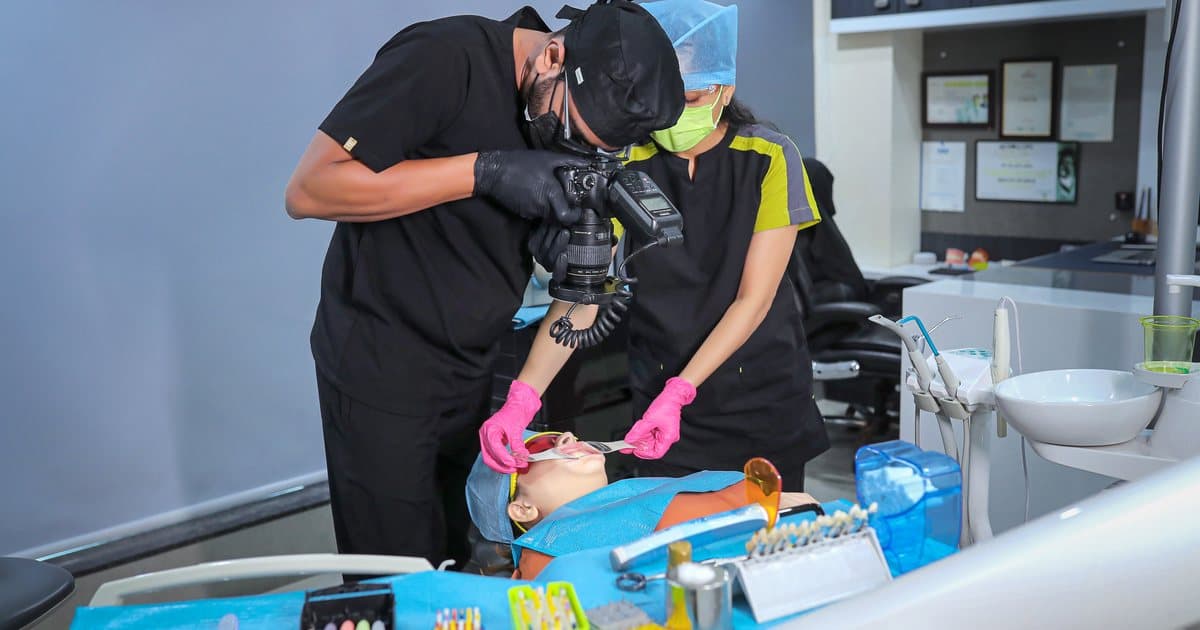
At Ocean 32, all root canal treatments are performed by MDS Endodontist Dr. Kenil Lathia using:
- Dental operating microscope
- Digital X-rays and apex locators
- Advanced rotary and ultrasonic systems
- Same-day CAD-CAM crowns for protection
This ensures maximum accuracy, minimal pain, and long-lasting results.
Final Verdict: Which One Should You Choose?
If you want:
- Painless treatment
- Higher success rate
- No repeat root canals
- Long-term tooth survival
Microscopic RCT is clearly superior to Normal RCT.
Saving your natural tooth correctly is always better than re-treating or extracting it later.
Book a Specialist Consultation in Surat
Ocean 32 – The Dentofacial Hub
302, Western Arena, Above HDFC Bank
Adajan, Surat
Call / WhatsApp: +91-7490023232
Website: www.bestdentistsurat.com
See the difference. Feel the difference. Choose precision dentistry.
Frequently asked questions
Is microscopic root canal treatment better than a normal root canal?
For many teeth, yes. A dental microscope magnifies and lights the inside of the tooth, helping the dentist find hidden or extra canals, cracks and calcified canals that are hard to see by eye. It matters most for complex teeth, re-treatments and broken instruments, although results still depend on the operator and the final crown.
How much does microscopic root canal treatment cost in Surat?
At Ocean 32, microscopic root canal treatment is typically ₹7,000–₹14,000 per tooth, and re-treatment of a failed root canal is typically ₹8,000–₹16,000 per tooth. The exact fee depends on the tooth and its complexity and is confirmed in a written estimate after examination.
Is microscopic root canal treatment painful?
Treatment is done under local anaesthesia, so most people feel pressure rather than pain during the procedure. Some tenderness on biting for a few days afterwards is common and usually settles with the painkillers prescribed. Pain that keeps increasing, or any swelling, should be reported to the clinic promptly.
Who does microscopic root canal treatment at Ocean 32?
Every root canal at Ocean 32 is done by Dr. Kenil A. Lathia, MDS in Conservative Dentistry and Endodontics, who has worked under the dental microscope since 2016. He uses the microscope for every root canal, re-treatment and restoration, not only for difficult cases.
When is a microscope most important in root canal treatment?
It matters most when a tooth has extra or calcified canals, curved roots, a suspected crack, a broken instrument inside, or an old root canal that has failed. In these situations, magnification helps the dentist see what X-rays and the naked eye can miss, and decide whether the tooth can be saved.