

5 Common Signs You May Need a Root Canal Treatment
Many people associate root canal treatment with severe tooth pain, but the reality is that not every infected tooth causes unbearable discomfort. In some cases, the warning signs are subtle and easy to ignore. Knowing what to look for can help you seek treatment before the condition becomes more serious.
Persistent Tooth Pain
One of the most common signs is ongoing tooth pain that doesn't go away. The discomfort may be constant or may come and go throughout the day. Pain while chewing or applying pressure to the tooth can also indicate an infection inside the tooth.
Sensitivity to Hot and Cold
It's normal to experience temporary sensitivity occasionally. However, if a tooth continues to hurt long after consuming hot tea, coffee, ice cream, or cold drinks, it could be a sign that the nerve inside the tooth is damaged.
Swollen or Tender Gums
An infected tooth can cause inflammation around the surrounding gum tissue. You may notice swelling, tenderness, or a small bump near the affected tooth. This often indicates that bacteria have reached deeper areas of the tooth.
Tooth Discoloration
A tooth that becomes darker than the surrounding teeth may signal damage to the pulp inside. This discoloration usually occurs when the tooth's internal tissue begins to break down due to infection or trauma.
Cracked or Deeply Decayed Tooth
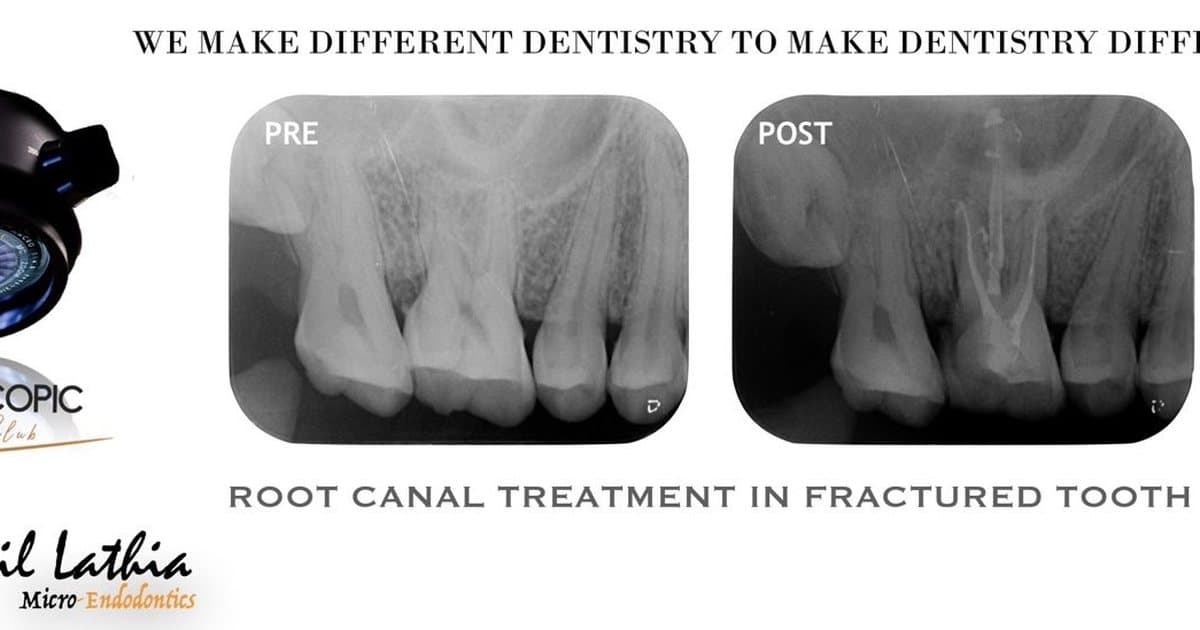
Deep cavities and untreated tooth decay can allow bacteria to enter the pulp chamber. Similarly, a cracked tooth can expose the inner layers of the tooth to infection, increasing the likelihood of needing root canal treatment.
Why Early Treatment Matters
Delaying treatment can allow the infection to spread, potentially leading to abscess formation, bone loss, and even tooth extraction. Root canal treatment removes the infected tissue while preserving the natural tooth, helping patients avoid more extensive procedures.
What Happens During a Root Canal?
The procedure involves removing the infected pulp, cleaning the root canals, disinfecting the area, and sealing the tooth. Modern techniques and local anesthesia make the treatment far more comfortable than many people expect.
Conclusion
Persistent tooth pain, swelling, sensitivity, discoloration, or deep decay should never be ignored. Early diagnosis often leads to simpler treatment and better long-term outcomes. If you're experiencing any of these symptoms, a dental examination can help determine whether root canal treatment is necessary.
Frequently asked questions
How do I know if I need a root canal?
Common signs include tooth pain that does not go away, pain when chewing, sensitivity to hot or cold that lingers, swollen or tender gums or a small bump near a tooth, a tooth turning darker, and a cracked or deeply decayed tooth. Some infected teeth cause few symptoms, so only an examination and X-ray can confirm it.
Is root canal treatment painful?
Root canal treatment is done under local anaesthesia, so most patients feel pressure rather than pain, and it is usually far more comfortable than people expect. The pain people fear usually comes from the infection before treatment. Some tenderness for a few days afterwards is normal and settles with care and prescribed medicine.
How much does a root canal cost in Surat?
At Ocean 32, microscopic root canal treatment typically costs ₹7,000 to ₹14,000 per tooth, and a single-sitting root canal ₹8,000 to ₹14,000. Back teeth usually also need a crown or onlay afterwards. The exact fee depends on the tooth and its canals and is confirmed in a written estimate after examination.
Who does root canal treatment at Ocean 32?
Root canals at Ocean 32 are done by Dr. Kenil A. Lathia, MDS in Conservative Dentistry and Endodontics, a root canal specialist. He has worked under the dental microscope since 2016 and uses a Labomed surgical microscope for every root canal, which helps find hidden canals and cracks that are hard to see with the naked eye.
What happens if I delay a root canal?
Delaying treatment lets the infection spread, which can lead to an abscess, swelling, bone loss around the root and, eventually, losing the tooth. Treating early usually means a simpler procedure and a better chance of saving your natural tooth. If you have swelling or severe pain, call the dental emergency line on +91 74900 23232.